Whole Body PET CT Scan: Procedure, Need, and Benefits
Positron Emission Tomography (PET) scan is an advanced imaging technique that provides detailed information about the functioning of organs and tissues in the body. In this procedure, a small amount of a radioactive tracer is injected into the patient. This tracer accumulates more in abnormal or diseased cells. A PET scanner detects the activity of this tracer and produces clear images of affected areas. When PET is combined with a CT (Computed Tomography) scan, it provides both functional and structural information of internal organs, making diagnosis more accurate.
What is a Whole Body PET CT Scan? A whole body PET CT scan captures detailed images and metabolic activity of all major organs and tissues in the body. Since abnormal cells absorb more radioactive tracer, diseases—especially cancer—can be detected at an early stage. This scan is widely used for cancer diagnosis, monitoring disease progression, and evaluating treatment response.
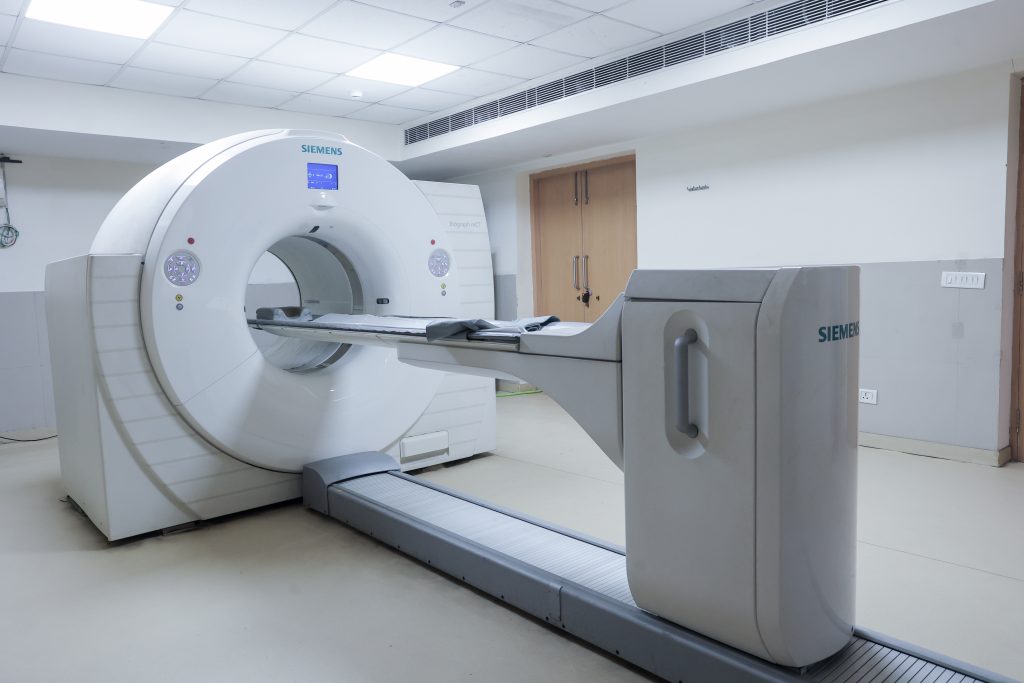
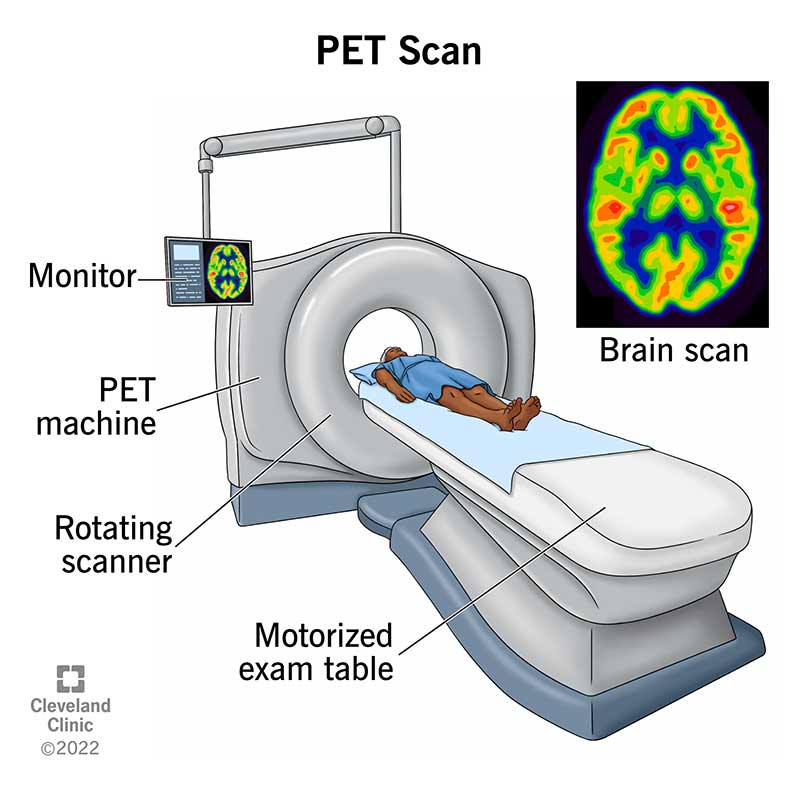
Difference Between PET Scan and CT Scan CT Scan provides detailed structural images of organs, bones, and tissues. PET Scan shows cellular-level activity and metabolic function of tissues. After a CT scan, no radiation remains in the body, whereas after a PET scan, a small amount of radiation may remain temporarily and exits the body naturally over time. Why Do Doctors Recommend a Whole Body PET CT Scan? Early Cancer Detection – Identifies abnormal cellular activity before structural changes occur. Treatment Effectiveness – Evaluates response to chemotherapy or radiation therapy. Cancer Staging & Restaging – Determines cancer stage and checks for recurrence. Metastasis Detection – Identifies spread of cancer to other organs. Neurological Disorders – Helps diagnose Parkinson’s disease, epilepsy, and Alzheimer’s disease. Heart Disease Evaluation – Assesses blood flow, blocked coronary arteries, and heart tissue damage. Infection & Inflammation – Detects chronic infections or unexplained inflammation. High-Risk Screening – Useful for individuals with a family history of cancer or serious illnesses. Conditions Evaluated by PET Scan Cancer – Breast cancer, lung cancer, thyroid cancer, and other tumors Heart Diseases – Coronary artery disease, heart attack, and related conditions Brain Disorders – Brain tumors, epilepsy, Alzheimer’s disease, and dementia What Happens During a PET CT Scan? You will change into a hospital gown and remove metal objects or jewelry. An IV line is placed, blood sugar is checked, and a radioactive tracer is injected. You rest for about 60–90 minutes to allow the tracer to circulate. You lie still on a scanning table that moves through the scanner. The scan itself usually takes 20–30 minutes. After the scan, you are advised to drink plenty of water to flush out the tracer. Breastfeeding mothers receive specific instructions before resuming feeding. A specialist analyzes the images and sends a detailed report to your doctor. Benefits of Whole Body PET CT Scan Accurate Diagnosis – Combines functional and structural imaging. Non-Invasive – No surgery required; safe and painless procedure. Early Disease Detection – Identifies metabolic changes before physical damage appears. Personalized Treatment Planning – Helps doctors choose the most effective therapy. Monitoring Disease Progression – Tracks response to treatment and disease advancement. Disclaimer: For personalised advice and detailed information, always consult your physician or a qualified healthcare professional.