HEART DISEASE
Heart disease is one of the leading causes of death worldwide, but it is largely preventable with the right lifestyle and timely medical care. It refers to various conditions that affect the heart, such as coronary artery disease, heart attack, heart failure, and arrhythmia. The main causes include unhealthy diet, lack of physical activity, smoking, stress, obesity, high blood pressure, high cholesterol, and diabetes. Many people ignore early warning signs like chest discomfort, shortness of breath, fatigue, dizziness, and irregular heartbeat. These symptoms may appear mild in the beginning but can become serious if not treated on time. Modern lifestyles, long sitting hours, junk food, and poor sleep habits are increasing the risk even among young adults. Family history also plays an important role in heart-related problems. Spreading awareness about heart disease helps people understand the importance of early diagnosis and healthy living. Regular monitoring of blood pressure, blood sugar, and cholesterol levels can reduce the chances of complications. A healthy heart ensures a longer, more active, and happier life.
Taking care of your heart should be a daily priority. Eating a balanced diet rich in fruits, vegetables, whole grains, and healthy fats helps maintain good heart function. Avoiding oily, fried, and processed foods can significantly lower cholesterol levels. Regular physical activity such as walking, jogging, cycling, or yoga keeps the heart strong and improves blood circulation. Managing stress through meditation, deep breathing, and proper sleep is equally important for heart health. People should avoid smoking and limit alcohol consumption, as these habits damage blood vessels and increase heart risk. Maintaining a healthy weight and staying physically active reduces the burden on the heart. Drinking enough water and reducing salt intake also helps control blood pressure. Small daily changes in lifestyle can make a big difference in preventing heart disease. Awareness, discipline, and consistency are the key factors for a healthy heart.
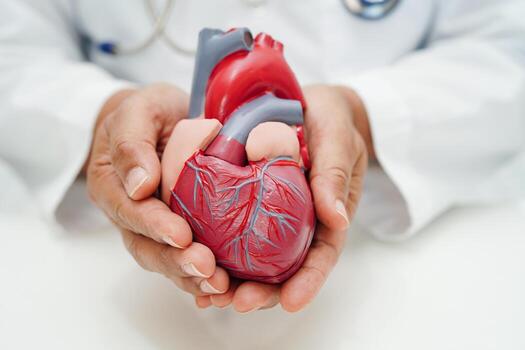

Regular health checkups play a major role in preventing serious heart problems. Routine tests like blood pressure monitoring, lipid profile, blood sugar test, ECG, and cardiac screening help detect issues at an early stage. Early diagnosis allows timely treatment and prevents complications. People above the age of 30 should go for annual heart checkups, especially if they have risk factors like diabetes, obesity, or family history of heart disease. Following the doctor’s advice, taking prescribed medicines on time, and tracking health reports are essential steps for heart care. A preventive health checkup is always better than emergency treatment. Your heart works for you every second, so give it the care it deserves by choosing a healthy lifestyle and regular medical consultation.