DIABETIC AWERNESS
Diabetes is a growing health concern worldwide and is becoming increasingly common in India. It is a chronic condition that occurs when the body cannot properly use or produce insulin, leading to high blood sugar levels. The two main types are Type 1 Diabetes and Type 2 Diabetes, with Type 2 being more common in adults due to lifestyle factors. Early awareness and timely diagnosis can prevent serious complications such as heart disease, kidney damage, nerve damage, and vision problems. According to the World Health Organization, diabetes is one of the leading causes of death globally. In India, the International Diabetes Federation reports a rapid increase in diabetic cases due to sedentary lifestyles, unhealthy diets, and rising obesity rates. Many people live with diabetes for years without knowing it because symptoms may be mild or unnoticed in the early stages. Common symptoms include frequent urination, excessive thirst, unexplained weight loss, fatigue, blurred vision, and slow wound healing. However, some individuals may not experience any clear symptoms at all. That is why diabetic awareness is essential. Educating people about risk factors such as family history, obesity, high blood pressure, and lack of physical activity can help in early detection and prevention. Creating awareness through regular health check-ups, community programs, and blood tests can significantly reduce the burden of diabetes. Prevention starts with knowledge, and knowledge begins with awareness.
Understanding diabetes is the first step toward managing and preventing it. Blood sugar levels can fluctuate due to diet, stress, illness, and physical activity. When blood glucose levels remain consistently high, it can damage vital organs over time. Early diagnosis through simple blood tests can make a huge difference in long-term health outcomes. There are several important blood tests used to diagnose and monitor diabetes. The Fasting Blood Sugar (FBS) test measures glucose levels after 8–10 hours of fasting. The Postprandial Blood Sugar (PPBS) test checks sugar levels after meals. The HbA1c test provides an average blood sugar level over the past 2–3 months and is one of the most reliable indicators for long-term monitoring. Lifestyle modifications such as balanced nutrition, regular exercise, stress management, and maintaining a healthy weight play a key role in controlling blood sugar levels. Avoiding processed foods, sugary beverages, and excessive carbohydrates can help maintain stable glucose levels.
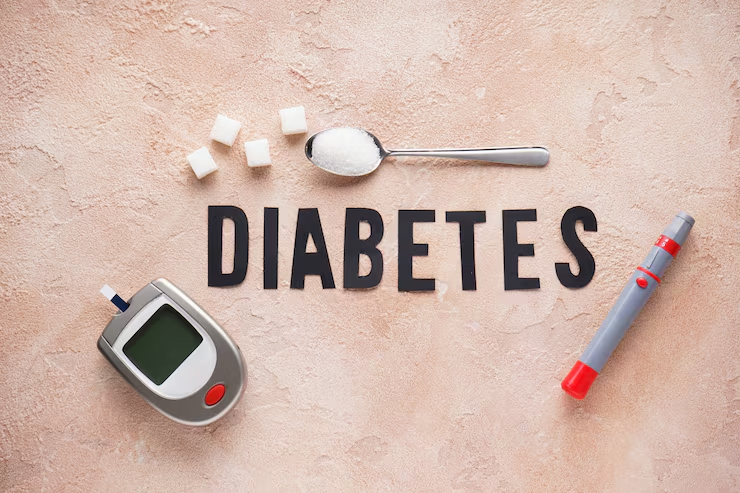
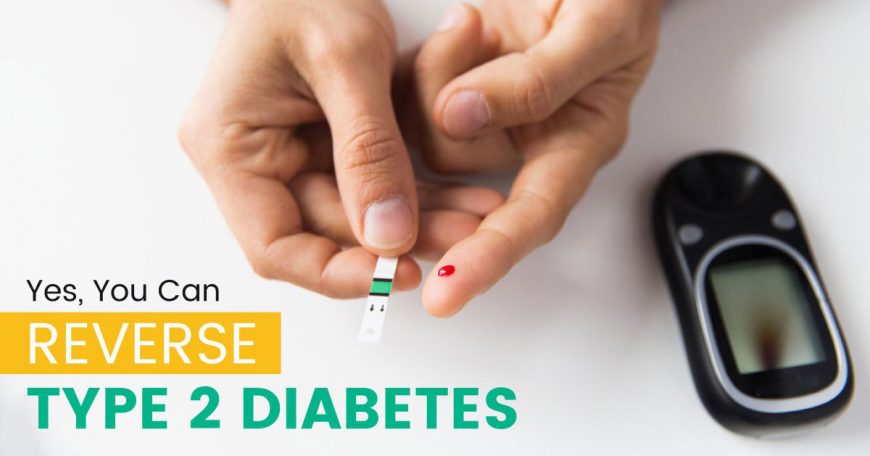
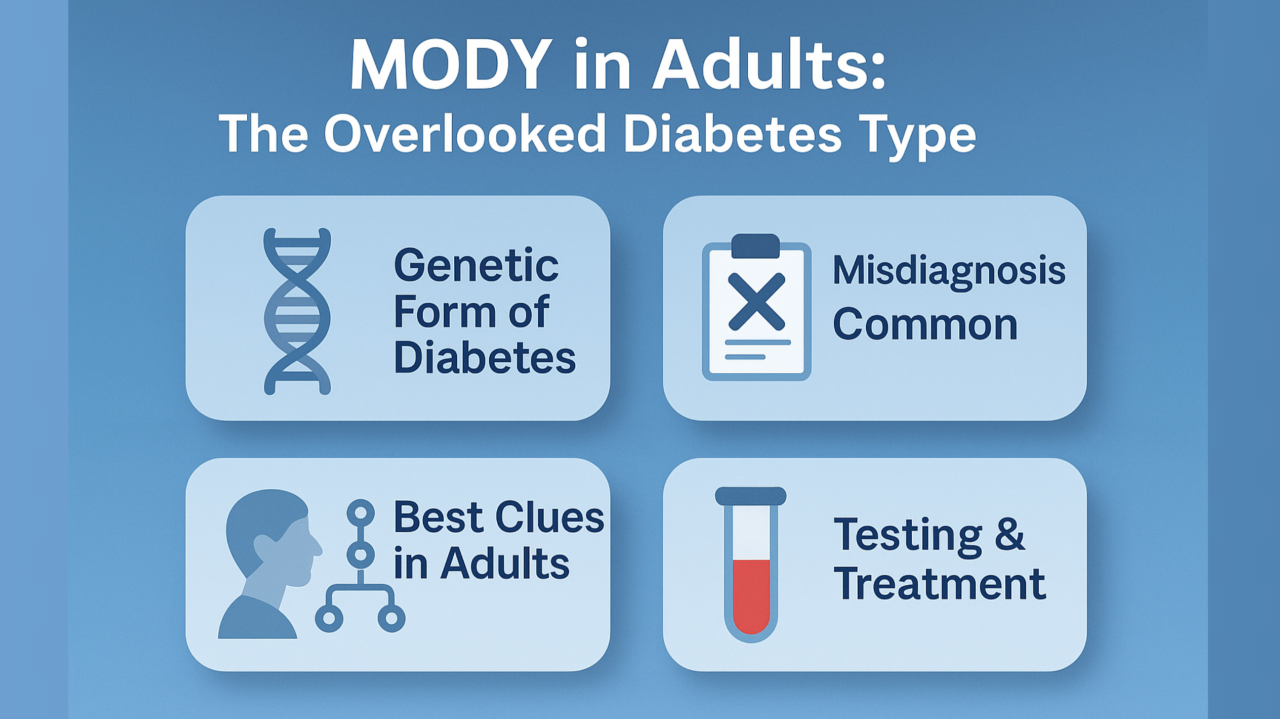
Regular blood testing is one of the most powerful tools in diabetic awareness and prevention. Many people ignore routine check-ups until complications arise. However, early detection through simple blood tests can prevent severe health problems. Even individuals without symptoms should consider annual screening, especially if they are above 30 years of age or have a family history of diabetes. For people already diagnosed with diabetes, regular monitoring helps in adjusting medication, diet, and lifestyle habits. HbA1c testing every 3 to 6 months ensures that blood sugar levels remain under control. Consistent testing reduces the risk of heart disease, kidney failure, neuropathy, and vision loss. Healthcare providers strongly recommend periodic screening as part of preventive health care. Awareness combined with regular blood tests empowers individuals to take control of their health journey. Remember, diabetes can be managed effectively with early diagnosis and consistent monitoring. A simple blood test today can protect your future tomorrow.