HORMONE IMBALANCE
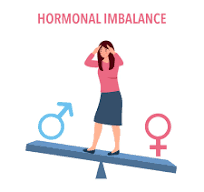
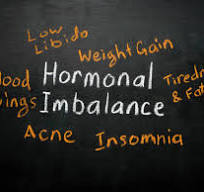
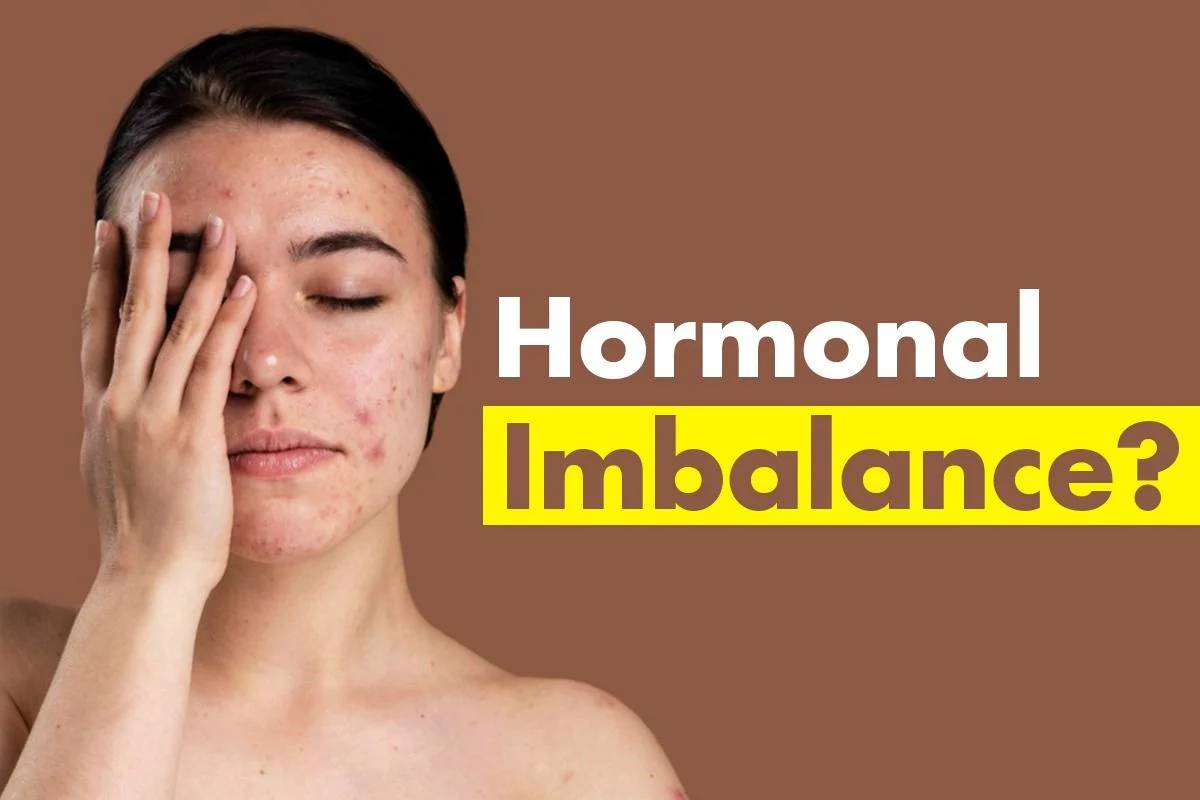
Hormones play a crucial role in regulating many important functions in a woman’s body. They control the menstrual cycle, fertility, mood, metabolism, sleep patterns, and overall health. Hormones are produced by glands in the endocrine system and must remain balanced for the body to function properly. When hormone levels become too high or too low, it can lead to a condition known as hormone imbalance. Hormone imbalance is common among women of different age groups and can occur due to stress, unhealthy lifestyle, poor diet, lack of sleep, pregnancy, menopause, or medical conditions such as thyroid disorders or Polycystic Ovary Syndrome (PCOS). Even environmental factors and certain medications may affect hormone levels. Women experiencing hormone imbalance may notice symptoms such as irregular periods, weight gain, hair loss, acne, mood swings, fatigue, infertility, and sleep disturbances. Some women may also experience excessive hair growth, low energy levels, or sudden changes in appetite. Ignoring these symptoms can lead to long-term health complications. Hormonal issues can affect reproductive health, mental health, and metabolism if not diagnosed in time. Early identification of hormone imbalance is essential for proper treatment and prevention of complications. Blood tests are one of the most reliable ways to evaluate hormone levels in the body. These tests help doctors understand the root cause of symptoms and guide appropriate treatment. Awareness about hormone health and regular testing can help women maintain a balanced and healthy life.
Blood testing plays an essential role in diagnosing hormone-related disorders in women. Several laboratory tests are available to measure hormone levels and assess reproductive and metabolic health. These tests help doctors determine whether the body is producing hormones in the correct balance. One of the most common tests is the Thyroid Profile Test, which measures hormones such as T3, T4, and TSH. The thyroid gland regulates metabolism, energy levels, and body temperature. Thyroid imbalance can cause fatigue, weight changes, hair loss, and irregular menstrual cycles. Another important test is the Luteinizing Hormone (LH) and Follicle Stimulating Hormone (FSH) test. These hormones play a key role in ovulation and fertility. Abnormal levels may indicate reproductive health issues such as PCOS or ovarian dysfunction. The Prolactin test is also commonly recommended for women experiencing irregular periods or fertility problems. High prolactin levels can interfere with ovulation and menstrual cycles. The Estrogen and Progesterone tests help evaluate reproductive health, menstrual cycle regulation, and pregnancy-related conditions. In addition, doctors may recommend Testosterone testing, especially if symptoms like excessive hair growth, acne, or irregular cycles are present. Blood tests for hormones provide valuable insights and help healthcare professionals develop an effective treatment plan. Regular monitoring of hormone levels through blood tests helps detect imbalances early and supports better management of women’s health conditions.
Blood testing plays an essential role in diagnosing hormone-related disorders in women. Several laboratory tests are available to measure hormone levels and assess reproductive and metabolic health. These tests help doctors determine whether the body is producing hormones in the correct balance. One of the most common tests is the Thyroid Profile Test, which measures hormones such as T3, T4, and TSH. The thyroid gland regulates metabolism, energy levels, and body temperature. Thyroid imbalance can cause fatigue, weight changes, hair loss, and irregular menstrual cycles. Another important test is the Luteinizing Hormone (LH) and Follicle Stimulating Hormone (FSH) test. These hormones play a key role in ovulation and fertility. Abnormal levels may indicate reproductive health issues such as PCOS or ovarian dysfunction. The Prolactin test is also commonly recommended for women experiencing irregular periods or fertility problems. High prolactin levels can interfere with ovulation and menstrual cycles. The Estrogen and Progesterone tests help evaluate reproductive health, menstrual cycle regulation, and pregnancy-related conditions. In addition, doctors may recommend Testosterone testing, especially if symptoms like excessive hair growth, acne, or irregular cycles are present. Blood tests for hormones provide valuable insights and help healthcare professionals develop an effective treatment plan. Regular monitoring of hormone levels through blood tests helps detect imbalances early and supports better management of women’s health conditions.