VIRAL FEVER
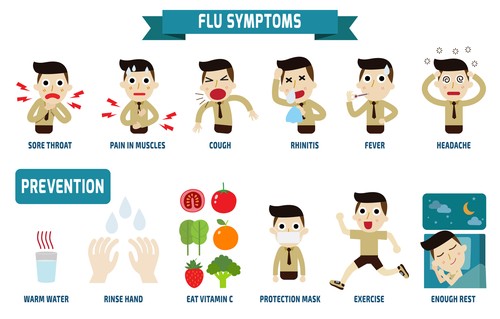
Viral fever is one of the most common health conditions that affects people of all ages. It is usually caused by viral infections that spread through air, contaminated food, water, or close contact with an infected person. Viral fever is especially common during seasonal changes and monsoon periods when viruses spread easily. It is characterized by a sudden rise in body temperature along with other symptoms such as headache, body pain, fatigue, cough, sore throat, and weakness. Common viral infections that cause fever include Influenza, Dengue Fever, and Chikungunya. These infections can spread rapidly in crowded environments and affect a large number of people within a short time. Although most viral fevers recover within a few days, some infections can become serious if not diagnosed and treated properly. High fever, dehydration, and severe weakness can lead to complications in children, elderly people, and individuals with low immunity. Therefore, awareness about viral fever and early medical attention is very important. Maintaining personal hygiene, drinking clean water, eating healthy food, and avoiding contact with infected individuals can help prevent viral infections. Public awareness about viral fever helps people recognize symptoms early and seek timely medical care.
When a virus enters the body, the immune system reacts by increasing the body temperature to fight the infection. This response causes fever and other symptoms such as chills, muscle pain, joint pain, and loss of appetite. In many cases, viral fever is mild and improves within 3–7 days with proper rest and hydration. However, in some cases doctors recommend blood tests to identify the exact cause of the fever. Blood tests help detect viral infections and rule out bacterial infections or other serious conditions. Tests such as Complete Blood Count (CBC), dengue test, malaria test, and other viral screening tests help doctors understand the severity of the illness. Proper diagnosis helps doctors provide the right treatment and prevents unnecessary medication. Self-medication without diagnosis can sometimes worsen the condition. Therefore, medical consultation and diagnostic testing play an important role in managing viral fever effectively. People should pay attention to warning signs such as persistent high fever, vomiting, breathing difficulty, severe body pain, or rashes on the skin. If these symptoms appear, immediate medical attention and laboratory testing are recommended.

Blood tests play a very important role in diagnosing the cause of viral fever. Many viral infections have similar symptoms, which makes it difficult to identify the exact illness without laboratory testing. Blood tests help doctors determine whether the fever is caused by viruses, bacteria, or parasites. A Complete Blood Count (CBC) test helps check white blood cells, platelets, and other important blood components. In diseases like Dengue Fever, platelet levels may drop significantly, which can be dangerous if not monitored properly. Regular blood testing helps track the patient’s recovery and prevents complications. Early diagnosis through blood tests allows timely treatment and faster recovery. Regular health check-ups and diagnostic tests are essential during fever outbreaks to protect individual and community health. Awareness about viral fever and timely blood testing can save lives and reduce the spread of infections.